


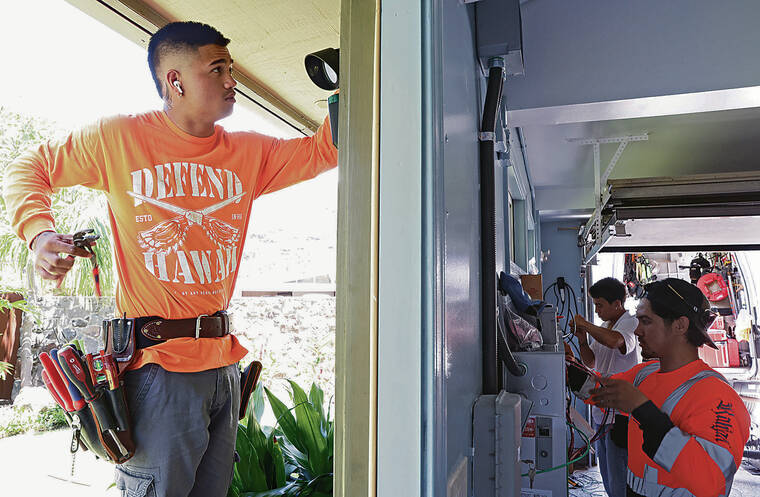
The recent enactment of new federal regulations has raised concerns over the future of solar energy in Hawaii, potentially leading to increased electricity costs and hindering the state’s ambitious clean energy targets. Set forth under President Trump’s domestic policy legislation, these changes could jeopardize numerous utility-scale solar projects and residential rooftop installations by accelerating the phase-out of vital federal tax credits. As Hawaii aims for a sustainable energy future by 2045, this abrupt shift poses significant challenges, pushing many planned projects into uncertainty and threatening job stability within the solar industry.
Impact of Federal Regulations on Solar Energy in Hawaii
On July 4, new federal regulations were announced that will significantly affect Hawaii’s solar energy landscape. The immediate consequence is the elimination of a 30% federal tax credit for both utility-scale and residential solar projects far earlier than originally anticipated. This drastic change threatens a variety of planned initiatives aimed at bolstering renewable energy across the state.
Among the most notable projects affected are large-scale solar farms, including one on Oahu that is set to become the largest in Hawaii and two others on Maui poised for construction by July 5, 2026. These developments are critical to meeting upcoming deadlines for federal credits that support their financial feasibility. Without these credits, not only will project costs increase, but essential savings for consumers may also vanish.
Challenges Facing Residential Rooftop Solar Systems
The ramifications extend beyond large installations; residential rooftop solar systems are also at risk. The tax credits for these systems will cease for any installations not operational by the end of this year, leading to a sharp decline in new system additions statewide—historically numbering in the thousands annually.
Rocky Mould from the Hawaii Solar Energy Association described this regulatory shift as a significant blow to Hawaii’s rooftop solar market. He anticipates job losses within the industry as manufacturing scales back due to reduced demand compounded by these legislative changes. The abrupt ending of tax incentives has thrown both installers and homeowners into a frenzy as they scramble to secure installations before deadlines hit.
Long-Term Implications for Hawaii’s Energy Goals
The long-term effects of these regulatory changes could be profound. Higher reliance on fossil fuels may persist longer than anticipated as renewable projects lose financial viability without necessary subsidies. Hawaiian Electric has indicated that achieving its goal of 100% renewable electricity generation by 2045 now faces greater hurdles due to these regulations.
Rebecca Dayhuff-Matsushima from Hawaiian Electric stated that any loss in renewable energy tax credits could lead to inflated prices for new renewable initiatives reliant on such incentives to remain affordable and accessible.
A Shift Towards Renewable Sources Amid Challenges
Despite setbacks from federal regulation changes, there remains hope within parts of the industry. In 2024 alone, new utility-scale solar additions helped boost Hawaiian Electric’s share of renewable electricity generation from 33% to an impressive 36%. Key contributors included several projects on Maui and Oahu which have played pivotal roles in increasing renewable sources while providing cost-effective alternatives to conventional fossil fuel-generated power.
The anticipated slowdown in rooftop installations combined with pressing deadlines for utility-scale projects creates an environment ripe with uncertainty regarding future capacity additions and overall market growth potential.
Navigating Future Projects: What Lies Ahead?
The current landscape presents complex challenges ahead regarding ongoing utility-scale developments. Under the newly enacted law, projects must begin substantial construction by July 5, 2026, or risk losing out on crucial tax credits entirely—a deadline looming closer every day.
Notably affected are four major proposed solar farm developments currently negotiating contracts with Hawaiian Electric; two anticipate delays past critical deadlines while others may commence construction just ahead of them. This precarious situation underscores how regulatory timelines can dramatically alter project feasibility and economic viability moving forward.
Corporate Responses and Strategic Adjustments
Certain companies within Hawaii’s solar sector are already exploring ways to navigate this shifting terrain effectively despite impending challenges posed by altered tax credit structures and associated permits required under existing laws.
Marco Mangelsdorf from ProVision Solar expressed concern over expected business downturns due primarily to shrinking profit margins resulting from reduced demand amid rising costs associated with compliance measures—an outcome reminiscent of past hurdles faced when incentive programs were cut previously back in October 2015.
The Bigger Picture: A Sustainable Energy Future?
Mark Glick from the Hawaii State Energy Office maintains optimism about achieving clean energy goals despite heightened obstacles stemming from recent legislative actions—and insists it won’t derail efforts towards increased state independence concerning sustainable resource utilization.
While immediate impacts might lean toward higher electricity prices due largely because suppliers adapt their strategies around tighter budgets tied directly back towards reduced government support mechanisms like those seen with prior successful programs—it remains true ultimately that local solutions will still prevail more often than not among residents seeking reliable yet affordable alternatives regardless if external forces create instability temporarily along this journey toward self-sufficiency through renewables!
A Broader Commitment Beyond Federal Policies
Ultimately what lies ahead hinges upon collaborative efforts among regulators utilities developers alike aiming collectively towards maintaining economic feasibility throughout all avenues explored whether they involve expanding geothermal wind biofuels hydrogen technologies etc.!
The immediate focus should therefore remain firmly rooted around fostering innovation partnerships ensuring accessibility affordability while remaining mindful always about protecting natural landscapes throughout our beautiful islands!