


The recent changes in federal legislation are poised to significantly impact Hawaii’s solar energy landscape, posing challenges to the state’s efforts toward sustainable energy solutions. With the elimination of a crucial 30% federal tax credit for solar projects coming sooner than expected, both utility-scale solar farms and residential rooftop installations face uncertainty. This shift is particularly concerning given Hawaii’s already high electricity prices and its ambitious goal of achieving 100% renewable energy by 2045. As stakeholders brace for potential increases in electricity costs and a slowdown in new solar projects, the implications for homeowners and businesses alike are profound. This article delves into the ramifications of these new federal regulations on Hawaii’s solar energy sector and explores what it means for the future of clean energy in the state.
Impact of New Federal Regulations on Solar Energy in Hawaii
The recent enactment of federal regulations has raised alarms among advocates of clean energy in Hawaii. Effective July 4 under President Trump’s domestic policy bill, these new laws will accelerate the removal of federal tax credits that have been pivotal for many solar initiatives across the state. The abrupt timeline change threatens not only ongoing projects but also future expansions aimed at transitioning away from fossil fuels.
Utility-scale projects such as the largest proposed solar farm on Oahu and several others on Maui could be jeopardized if they do not meet construction deadlines set by the updated tax credit provisions. Without these incentives, many planned developments may become financially unfeasible or result in higher costs passed onto consumers.
Challenges Facing Utility-Scale Solar Projects
Utility-scale solar farms are critical to Hawaii’s strategy for reducing dependence on imported fossil fuels. Among those potentially affected is a project projected to save ratepayers approximately $800 million over 25 years while generating enough power to service thousands of homes. However, with tighter deadlines looming over tax credits, these plans now hang in the balance.
Additionally, several upcoming projects including two significant developments on Kauai aimed at further increasing renewable energy capacity may also miss out on vital financial support due to revised regulations regarding tax credits.
The Future of Residential Rooftop Solar Installations
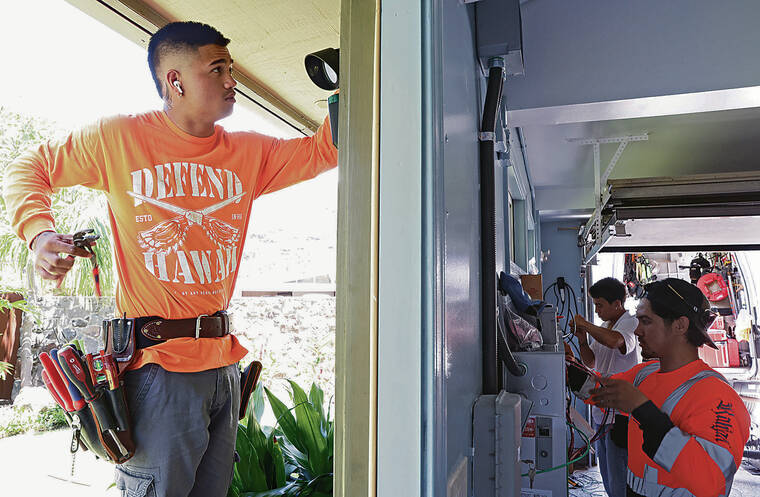
Residential rooftop solar systems have long been a favored choice among homeowners seeking to mitigate rising electricity costs while contributing to environmental sustainability. However, with federal tax credits set to expire for installations that aren’t completed by year-end 2023, industry experts anticipate a considerable decline in new rooftop installations across Hawaii.
This impending drop could mirror past trends where regulatory changes led to swift reductions in permit approvals following incentive program alterations. The executive director of a local solar advocacy group characterized this development as detrimental—a “gut punch” that could lead not only to fewer installations but also job losses within the industry.
Long-Term Consequences for Ratepayers
The long-term effects stemming from these legislative changes may extend well beyond immediate construction timelines and project feasibility. Experts predict that increased reliance on older fossil fuel plants could result from delays or cancellations of planned renewable projects—ultimately driving up electricity prices further.
Hawaiian Electric, which serves millions across Oahu, Maui County, and Hawaii Island, acknowledges that reaching statewide renewable goals will be increasingly challenging without federal incentives supporting new developments—specifically noting how critical such funding is for affordable clean energy access moving forward.
An Industry Facing Uncertainty
The anticipated reduction in both utility-scale and residential rooftop installations presents risks not just economically but environmentally as well; less investment means slower progress towards reducing greenhouse gas emissions linked with climate change mitigation efforts statewide.
Navigating New Challenges: What’s Next?
Despite facing substantial hurdles due to changing regulations surrounding tax incentives for renewable energies like wind and solar power—the overarching commitment towards achieving cleaner alternatives remains steadfast within Hawaiian policy frameworks according to state officials.
In response to these challenges brought forth by regulatory shifts—stakeholders propose accelerated permitting processes alongside innovative financing solutions designed specifically around local needs without relying heavily on uncertain external subsidies.
Additionally, there’s hope among some community leaders advocating alternative methods such as leveraging existing technologies more effectively while exploring diverse sources such as geothermal or biofuels alongside traditional renewables like wind turbines—all aimed at bolstering overall grid resilience amidst disruptions caused by external factors like tariffs imposed under previous administrations impacting component pricing structures nationwide.
Community Engagement & Education Efforts Moving Forward
As concerns mount regarding future investment potentials amid evolving legislative landscapes—community engagement efforts will play an essential role moving forward when it comes down educating residents about available options tailored towards maintaining affordability regardless if government subsidies are present or absent altogether.
Programs focused solely upon raising awareness around sustainable practices—such initiatives ensure everyone understands their choices whether they choose conventional sources versus newer technologies capable delivering cleaner outputs per capita basis without escalating costs unduly affecting household budgets across all demographics!
A Road Ahead Towards Sustainable Energy Goals
The road ahead may be fraught with complications stemming from regulatory adjustments—but it doesn’t necessarily spell doom & gloom entirely! Despite setbacks encountered throughout various phases implementation processes—it serves as an opportunity galvanize collective action geared towards promoting alternative avenues expanding availability/effectiveness renewable solutions enriching our environment while simultaneously addressing pressing economic concerns affecting citizens’ livelihoods directly!
This commitment toward achieving cleaner alternatives requires collaborative approaches encapsulating all stakeholders involved—from policymakers down through local communities working together harmoniously ensuring equitable access available resources enhancing quality life everyone!
Conclusion
The recent alterations in federal law represent a significant challenge for Hawaii’s ambitious clean energy goals. While obstacles abound, there remains an underlying commitment among stakeholders dedicated toward fostering advancements within this sector despite uncertainties looming regarding availability funding sources enabling necessary infrastructure development remain intact.
Ultimately—as innovative strategies emerge coupled with heightened community awareness efforts—the prospects surrounding sustainable growth pathways leading us closer achieving targets envisioned should remain hopeful inspiring active participation amongst all parties involved willing collaborate positively impact future generations’ relationship environment we share!