


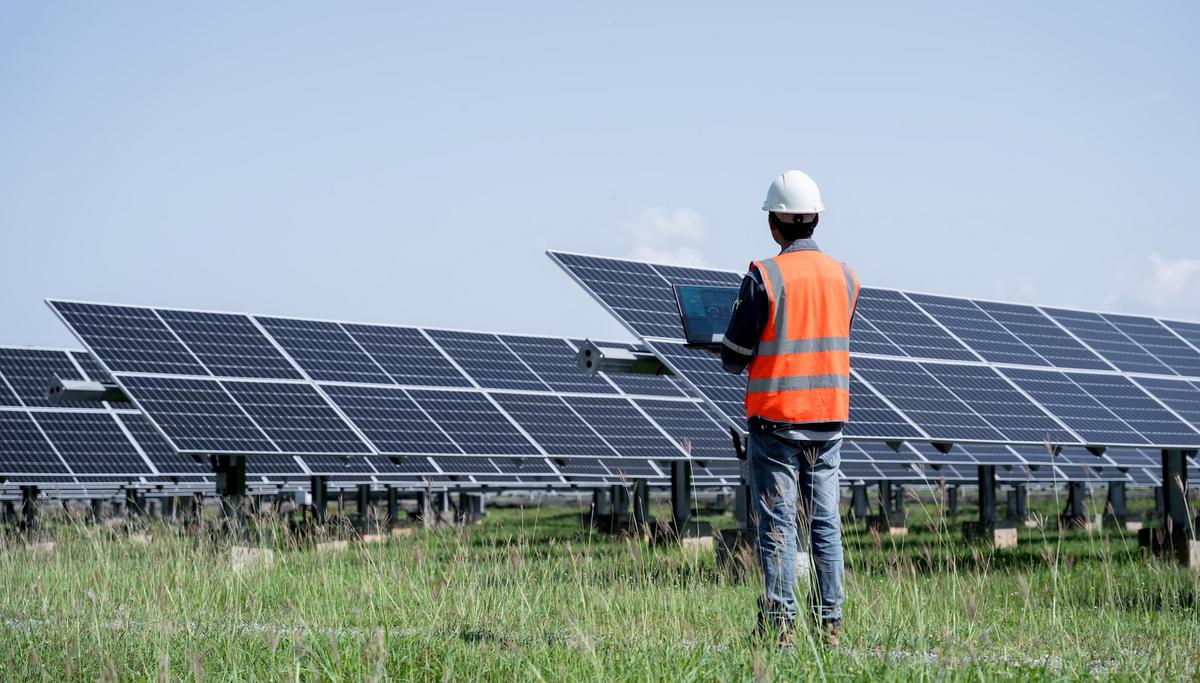
Urban Grid, an innovative energy company headquartered in Houston, is embarking on a groundbreaking initiative that merges solar energy production with agriculture, potentially transforming the farming landscape. This project features agrivoltaic systems—solar farms combined with agricultural practices—aimed at enhancing both energy sustainability and local economies. The initiative has taken root in Halifax County, Virginia, where Urban Grid is developing its first apiary alongside solar farms. This creative approach not only addresses the need for cleaner energy but also supports pollinator health and regenerative land management. As Urban Grid’s vice president of economic and community development states, this project exemplifies the positive ripple effects of American-made energy when integrated wisely with land use.
A New Era of Agrivoltaics
Urban Grid’s ambitious agrivoltaic projects are currently being implemented across 12 states and over 130 acres of controlled land. By integrating solar panels with agricultural practices, these initiatives aim to create a sustainable environment that benefits both farmers and local communities. At their Crystal Hill Solar site in Virginia, they are establishing ten beehives comprising around 500,000 bees expected to produce approximately 400 pounds of honey annually. This honey will be donated to food banks and local organizations to foster community engagement.
The combination of solar power generation and agriculture presents a unique opportunity to enhance the productivity of farmland while promoting environmental sustainability. Urban Grid’s leadership emphasizes that effective land use can catalyze economic growth by supporting farmers and creating tangible benefits for surrounding communities.
The Environmental Impact
Solar energy stands out as an environmentally friendly alternative that contributes significantly to reducing planet-warming air pollution. NASA has linked greenhouse gas emissions to severe weather patterns that threaten the habitability of certain areas. Therefore, by harnessing solar power without emitting harmful pollutants, Urban Grid aims to mitigate these risks while fostering sustainable farming practices.
Supporting Pollinators
Pollinators play a critical role in global food production; according to the U.S. Department of Agriculture, about 35% of global crop yields depend on pollination services provided by bees and other insects. Unfortunately, U.S. beekeepers have reported losing nearly 30% of their colonies each year for almost two decades due to factors like habitat loss, climate variations, diseases, and pesticide exposure.
The establishment of bee colonies at the Crystal Hill site serves dual purposes: it aids in pollination for nearby crops while providing valuable data on how these bees interact with their environment. Researchers plan to analyze pollen types collected by bees from various vegetation nearby the hives over time—information that could ultimately influence better agricultural practices across solar farms nationwide.
Enhancing Local Agriculture
The Crystal Hill initiative also plans rotational cropping on three acres adjacent to the hives. This practice not only allows researchers to assess bee activity but also enhances soil health through diverse planting schedules. By investigating how different crops affect bee populations—and vice versa—Urban Grid aims to develop best practices for integrating renewable energy systems with traditional farming methods.
Economic Benefits for Farmers
An additional advantage is that agrivoltaic systems can support livestock grazing as well; at Urban Grid’s Virginia facility, local farmers have begun utilizing grazing lambs within the solar farm area—a win-win situation enhancing both sheep herding operations and land usage efficiency.
The integration of renewable resources like solar into agricultural landscapes provides new avenues for income generation among farmers while ensuring more efficient use of limited land resources—a crucial factor given increasing urbanization pressures across rural America.
Future Directions: Research & Development
As this pioneering project unfolds in Virginia, it serves as a model for future developments across North America where similar agrivoltaic projects could thrive under supportive regulatory frameworks or incentive programs aimed at bolstering green technologies within agriculture sectors.
This research-oriented approach will help refine methodologies benefiting both environmental stewardship efforts as well as economic resilience strategies designed specifically tailored towards rural communities engaged in agriculture alongside renewable resource utilization goals.
Sustainable Practices Moving Forward
The success seen in Virginia may inspire further exploration into combining alternative energy sources such as wind or geothermal along with innovative techniques like vertical farming—all aimed at achieving long-term sustainability objectives while optimizing resource allocation effectively across multiple fronts—from food security concerns tied directly back into economic development agendas overall!
The Role of Solar Energy Incentives
Individuals interested in adopting renewable energies like rooftop solar panels can significantly reduce their electricity costs while contributing positively towards environmental causes too! Although recent policy changes regarding tax incentives may alter short-term financial landscapes concerning installations set forth under federal provisions—but numerous resources exist (like EnergySage) designed specifically around helping homeowners navigate available options before those changes take effect!
Your Pathway Towards Sustainability Begins Here!
If you’re exploring options available today regarding home improvements targeting greater efficiency levels through upgraded infrastructure capabilities such as installing photovoltaic arrays atop roofs—or simply looking into natural landscaping alternatives designed explicitly around conserving water usage coupled alongside native plants benefiting ecosystems locally—you’ll find ample opportunities awaiting your attention!
Conclusion
This innovative collaboration between Urban Grid’s renewable initiatives coupled seamlessly together within agricultural settings showcases just how transformative combining clean technologies alongside traditional industries can prove beneficial—not just environmentally but economically too! With far-reaching implications extending beyond immediate profits generated via sustainable projects alone—this represents an exciting frontier filled with endless possibilities waiting eagerly ahead!