


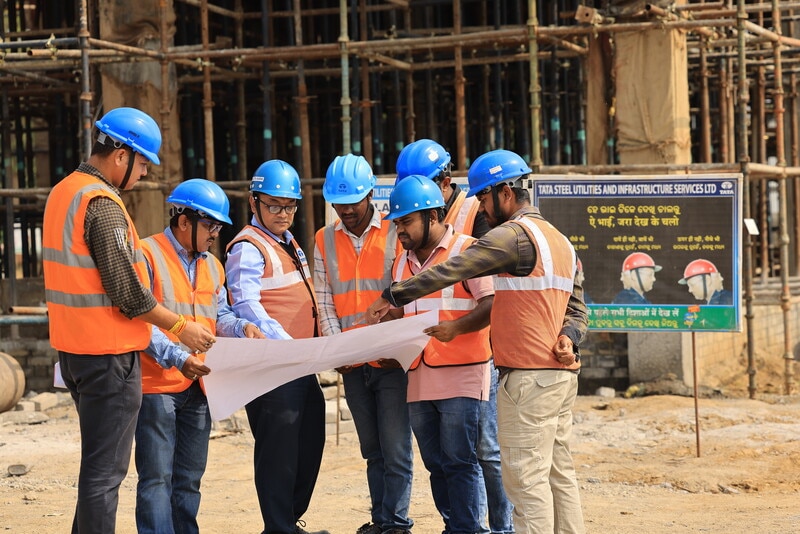
India is strategically leveraging industrial clusters to propel its clean energy transition, particularly through the production of green hydrogen. These industrial parks serve as centralized hubs that encourage collaboration among various stakeholders, enabling industries to innovate and scale sustainable practices efficiently. Among these hubs, the Gopalpur Industrial Park in Odisha stands out as a model for integrating infrastructure, policy support, and stakeholder engagement to facilitate significant advancements in clean energy. With ambitious goals set by the National Green Hydrogen Mission, which aims to produce 5 million metric tons of green hydrogen annually by 2030, India is addressing challenges related to renewable energy reliability and water scarcity through these industrial clusters. This article explores how Gopalpur Industrial Park is paving the way for a robust clean energy ecosystem that can be replicated throughout India and beyond.
Industrial Clusters: Catalysts for Clean Energy Innovation
Industrial clusters are geographic concentrations of interconnected businesses and institutions that foster innovation and competitiveness. By bringing together various industries, infrastructure projects, and investment opportunities within a single locale, these clusters create mutually beneficial ecosystems characterized by economies of scale. In India’s journey towards achieving net zero emissions, these industrial parks play an essential role in scaling up clean energy technologies, particularly green hydrogen production.
Gopalpur Industrial Park exemplifies this approach effectively. Recently joining the World Economic Forum’s Transitioning Industrial Clusters initiative, it has become a blueprint for other regions aiming to develop new energy solutions. The park spans 2,970 acres and boasts comprehensive access via railways, roads, ports, and air transport systems. It currently hosts diverse industries including food processing, steel production, solar cell manufacturing, and green hydrogen technology—demonstrating its versatility as an industrial hub.
The Role of Green Hydrogen in India’s Energy Future
Green hydrogen is emerging as a pivotal component of India’s clean energy strategy due to its potential to replace fossil fuels across hard-to-abate sectors such as steelmaking, chemical manufacturing, and transportation. Recognizing this potential led India to establish ambitious targets under its National Green Hydrogen Mission backed by over $2 billion in government incentives aimed at attracting public-private investment throughout the value chain.
However, realizing this vision involves overcoming several complex challenges—including infrastructure development gaps and ensuring reliable renewable energy supply. For instance, while India has made significant investments in solar and wind power over recent years—enabling considerable growth—maintaining consistent energy availability remains difficult in more remote or underserved areas.
Navigating Infrastructure Challenges
The path toward large-scale production of green hydrogen necessitates substantial investments into specialized infrastructure such as production facilities requiring advanced technology setups—including electrolyzers—and networks for transporting hydrogen via pipelines or storage units. Each aspect demands long-term planning along with coordination among various stakeholders.
A critical factor in scaling green hydrogen production also lies within water resource management since electrolysis processes consume considerable amounts of water; thus prioritizing sustainable practices around water security is vital for long-term success.
The Gopalpur Model: Infrastructure Ready for Clean Energy Deployment
The integrated strategy employed at Gopalpur Industrial Park showcases how tailored infrastructure can facilitate widespread deployment of clean energy technologies while addressing common challenges faced by many regions globally. Its commitment towards aligning regional policy with industrial needs fosters an environment conducive to decarbonization efforts without compromising economic growth.
This park’s focus on developing essential utilities includes establishing high-voltage substations along with advanced desalination systems designed specifically to address local water scarcity issues effectively—all supported by government initiatives aimed at creating dedicated utility corridors that streamline resource distribution within the hub.
Attracting Clean Energy Investment
The proactive measures implemented at Gopalpur have attracted notable interest from investors focused on renewable energies such as solar power generation alongside companies specializing in producing green hydrogen solutions; early commitments from these sectors indicate promising opportunities ahead for collaborative projects driving clean technology advancements forward within this region.
This synergy between public authorities like Odisha state government officials working alongside private enterprises helps unlock fresh avenues for innovation while simultaneously generating economic benefits through job creation—a key objective aligned with India’s overarching developmental goals concerning sustainability initiatives across all sectors involved.
Confronting Water Scarcity Concerns
Addressing water availability remains paramount not only due to its vital role during production processes but also because it directly impacts surrounding communities reliant on consistent access; thus balancing environmental considerations alongside operational requirements must remain a priority moving forward if we hope achieve scalable solutions around sustainable practices impacting both industry growth & natural resources alike!
Sustainability Through Collaboration
A collaborative framework involving multiple stakeholders—including government agencies—will be indispensable when tackling these intertwined complexities throughout our journey towards realizing cleaner forms of energy generation across varying landscapes! As demonstrated within this context regarding ongoing developments taking place at Gopalpur Industrial Park where innovative approaches continue evolving amidst challenging circumstances facing broader ambitions surrounding national electrification goals set forth earlier discussed herein!
A Vision for Future Industrial Transformation
The successful implementation seen thus far serves as an example not just limited solely within Indian borders but rather presents itself potentially replicable across other emerging economies aspiring enact similar transitions toward greener alternatives found elsewhere! Establishing robust coalitions bridging gaps between various relevant parties will undoubtedly pave pathways leading toward enhanced resiliency amidst global shifts experienced today!
Conclusion: A Pathway Forward
As India continues striving forward with respect towards advancing their agenda surrounding green hydrogen production capabilities—industrial parks like Gopalpur could ultimately evolve into foundational building blocks underpinning resilient frameworks necessary supporting larger scale transformations required globally! The integration between technological advancement & responsible stewardship concerning environmental resources provides immense promise shaping future outcomes benefiting all involved stakeholders alike!