


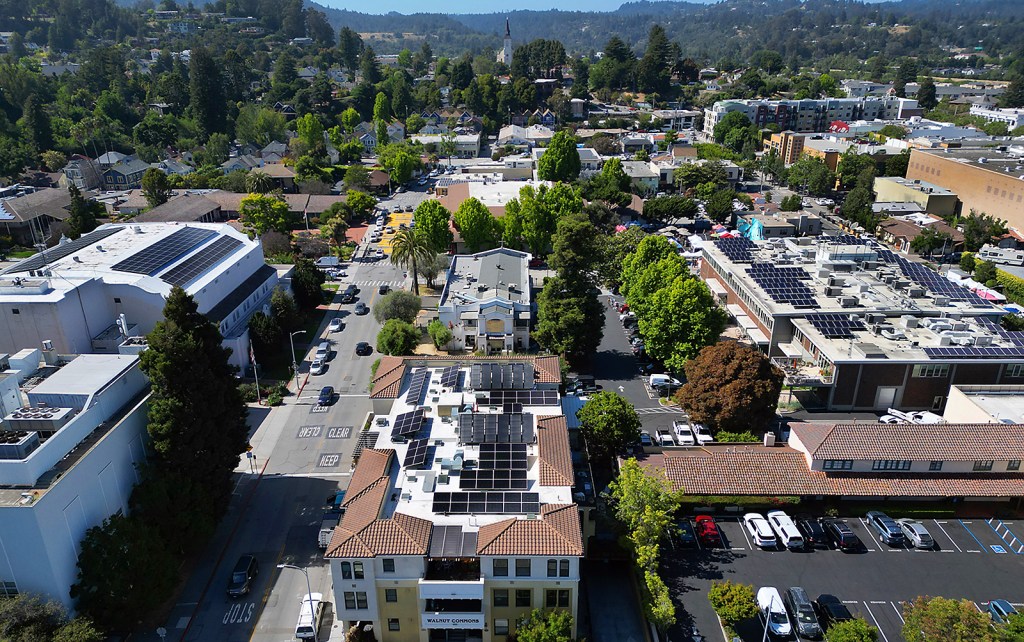
In recent years, the push for renewable energy has become increasingly significant, especially in urban areas. Downtown Santa Cruz exemplifies this trend with its rooftops adorned with solar panels, highlighting a commitment to sustainable energy solutions. This local effort is part of a broader national movement where solar energy is making substantial strides. In 2024 alone, the United States saw unprecedented growth in solar capacity, demonstrating that despite some opposition at the national level, communities are actively embracing green technology. This article explores the current state of solar energy in Santa Cruz and its impact on both the environment and energy production.
Solar Energy’s Local Impact
The sight of solar panels lining rooftops in downtown Santa Cruz is not just a trend; it reflects a growing commitment to sustainability within local neighborhoods. Prominent locations such as the Santa Cruz Civic Auditorium, Walnut Avenue Commons co-housing community, and the Cruzio-Ecology Action building serve as key examples of how residents and organizations are harnessing solar power to combat climate change while reducing dependence on fossil fuels.
Record Growth in Solar Capacity
According to recent statistics from the Solar Energy Industries Association (SEIA), 2024 marked a historic year for solar energy in the United States with an installation of 50 gigawatts (GW) of new solar capacity. This achievement represents a remarkable 21% increase compared to 2023 and signifies the largest annual addition of new capacity by any energy technology in over twenty years. Such growth underscores a shift towards renewable sources as utilities and consumers alike recognize their potential.
This dramatic rise has positioned solar power as a dominant player in new electricity-generating capacity added to the U.S. grid—accounting for an impressive 66% of all new installations in 2024. The increasing adoption of solar technology suggests that communities like Santa Cruz are not only contributing to environmental sustainability but are also partaking in an economic transformation led by clean energy initiatives.
The Environmental Benefits
The benefits of expanding solar power go beyond mere electricity generation; they have profound implications for carbon emissions reduction. In 2024 alone, landApp reported that U.S.-based solar systems offset approximately 227 million metric tons of carbon emissions—equivalent to removing around 53 million vehicles from our roads or planting nearly 3.8 billion trees.
This positive environmental impact showcases how investing in renewable resources can significantly mitigate climate change effects while promoting cleaner air quality and healthier communities. As awareness about climate issues grows, localities like Santa Cruz stand as models for successful implementation of sustainable practices.
The Future Outlook for Solar Energy
As we look toward future developments, it becomes clear that support for renewable technologies will play an essential role in fostering long-term sustainability goals across California and beyond. With advancements in photovoltaic technology leading to increased efficiency levels and reduced costs over time, there is considerable optimism about further integration into everyday life—from residential setups to larger-scale commercial projects.
Challenges Ahead
Despite these promising advancements, challenges remain on both political and infrastructural fronts when it comes to widespread adoption rates across various regions within America’s multifaceted landscape regarding energy policies. Some individuals still express skepticism towards renewable energies due largely to misconceptions stemming from long-standing reliance on traditional fossil fuels or misinformation propagated through various channels.
Moreover transitioning existing infrastructure requires investments not only financially but also socially—educating consumers about available incentives while dispelling myths surrounding maintenance costs associated with installing such systems can be critical components needed moving forward toward achieving ambitious climate targets set by government authorities at all levels.
Community Engagement Strategies
Engaging local residents through outreach programs focused on educating them about benefits offered by switching over from conventional sources can help address apprehensions surrounding renewables like solar power effectively—and create enthusiastic advocates who might influence others positively! Initiatives such as workshops aimed at highlighting cost savings associated with installation paired alongside showcasing successful case studies could encourage more people take action themselves resulting ultimately into broader acceptance levels throughout communities alike.
Conclusion: A Bright Future Ahead
The ongoing evolution towards sustainable living encapsulated within cities such as Santa Cruz vividly illustrates hope amidst discussions often dominated by controversy elsewhere nationally regarding renewable energies’ viability moving forward into tomorrow’s world filled predominantly powered through clean resources instead! Embracing emerging technologies not just enhances resilience against climate-related adversities but strengthens economic growth opportunities through job creation derived directly tied back into our commitment towards safeguarding nature itself—a crucial endeavor if we wish leave behind thriving planet generations yet unborn!